
Restaurant Equipment Lease Management: Stop Ghost Payments

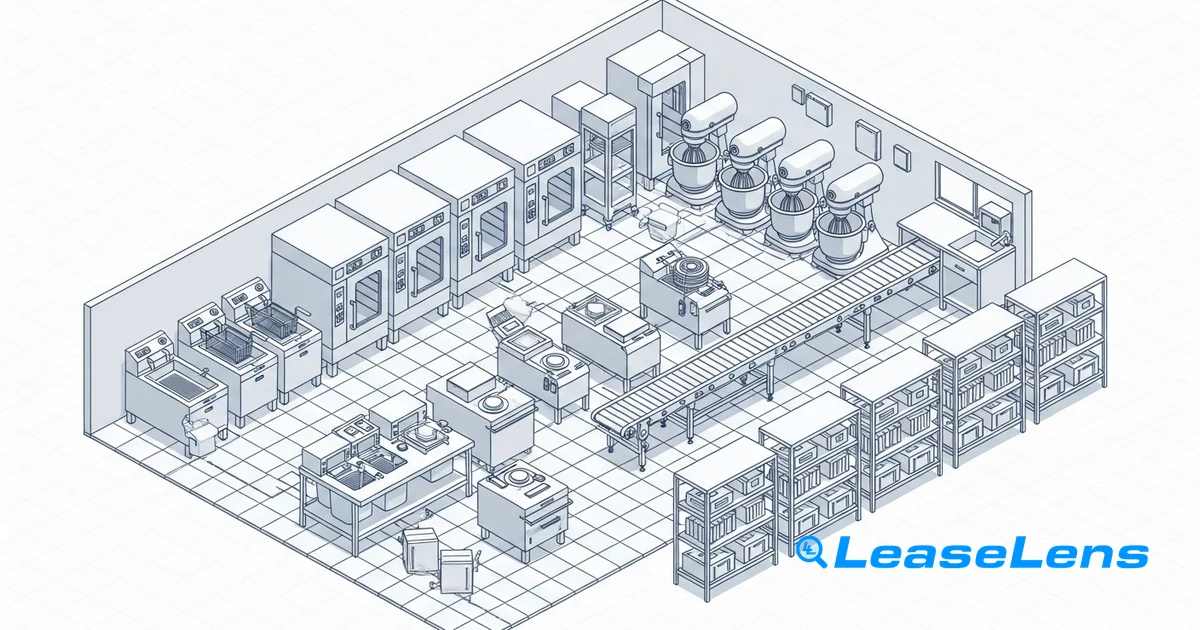
Multi-unit restaurant operators are financing hundreds of thousands of dollars in Rational combi ovens, Hobart mixers, and Pitco fryers to scale their footprints. Yet, when it comes to tracking those liabilities, many rely on static spreadsheets that lose accuracy the minute a store manager swaps out a broken prep table. If you are asking what to know about leasing restaurant equipment, the answer comes down to tracking physical asset locations and managing strict notice windows. Managing commercial kitchen leasing across multiple rooftops requires treating your equipment contracts with the same operational rigor as your food cost percentages.
The High Cost of 'Ghost' Equipment in Multi-Unit Operations
A 'ghost lease' occurs when you are paying monthly installments for equipment that is no longer in service, has been scrapped, or vanished during a store remodel. Restaurants are uniquely vulnerable to this problem due to high-volume wear and tear and rapid kitchen refreshes. The 'out of sight, out of mind' nature of multi-unit franchise management means corporate accounting rarely knows what is actually happening on the back line of Store #14.
Consider this realistic scenario: A Manitowoc ice machine goes down on a busy Friday night. The store manager calls a local tech, who declares the compressor dead and the unit beyond economical repair. The manager immediately buys a replacement from a local dealer and hauls the old unit to the dumpster to make room.
The problem? That scrapped ice machine was on a 48-month lease with 14 months remaining. You are now paying $285 a month for scrap metal sitting in a landfill. Multiply that kind of disconnect across 10 or 20 locations, and a few hundred dollars a month in 'ghost' payments will quickly erode your annual EBITDA.
Common Lease Structures in Commercial Kitchen Leasing
Before diving into operational traps, you must understand the paper you are signing. Commercial kitchen leasing typically falls into three specific structures, each with its own lifecycle rules:
Fair Market Value (FMV): Commonly used for high-turnover technology like POS systems, kitchen display systems (KDS), or digital menu boards. You either return the equipment at the end of the term or buy it at the current market rate. FMV leases almost always require a strict 90-day written notice of intent to return.
$1 Buyout (Capital Lease): Used for heavy-duty, long-lifespan iron like walk-in coolers, hood systems, or heavy planetary mixers. You own the equipment at the end for exactly one dollar.
Equipment Finance Agreement (EFA): Similar to a $1 buyout, but your restaurant entity holds the title from day one, while the lender simply holds a lien. This is often preferred for tax depreciation purposes.
The 'Shell Game' Trap: The Legal Risks of Moving Equipment
Moving a Merrychef high-speed oven from a slow-performing suburban location to a high-volume urban drive-thru seems like smart operational maneuvering. However, most commercial leasing contracts specify a fixed physical address for the asset. The lessor filed a UCC-1 financing statement tying their collateral to that specific street address.
'Borrowing' an oven from Store A to keep Store B running can easily trigger a technical default on your lease agreement. If the bank conducts a random site audit and finds the asset missing, they can demand immediate payment in full for the remaining lease balance. You must properly document and notify lessors when reallocating assets to avoid breach of contract.
Furthermore, unauthorized equipment transfers carry massive insurance implications. If that relocated Merrychef oven causes a grease fire at the new location, your property insurance might deny the claim. They will argue the damaged leased asset was not listed on the insurance schedule for that specific physical premises.
Standardizing Lease Commencement to Save Your Accounts Payable Team
Growing a franchise portfolio often means inheriting a mess of different lessors, resulting in an accounts payable nightmare. Managing 50 different payment dates across various local banks and national equipment finance companies guarantees missed payments and late fees. Effective restaurant equipment lease tracking requires standardizing these cash flows.
You can streamline this by negotiating 'Interim Rent' or 'Batch Commencement' with your funding partners. Instead of a lease starting the day a specific True refrigeration unit is delivered, interim rent charges a prorated daily fee until a designated day of the month. This aligns all your equipment payment cycles to hit on the 1st or 15th, syncing perfectly with your monthly financial reporting.
Savvy operators also utilize the 'Master Lease' advantage to reduce administrative overhead. Instead of negotiating a brand new 15-page contract for every new espresso machine, a Master Lease Agreement establishes your core legal terms once. From then on, you simply sign a one-page schedule for new equipment, drastically cutting down legal review time.
Navigating Multi-Stage Kitchen Build-Outs
New restaurant openings (NROs) are chaotic, and equipment rarely arrives all at once. The danger of the 'blanket' Commencement Certificate is signing off on funding before the entire kitchen line is operational. If you sign a document stating all equipment has been received and accepted, the lease term begins, and your first payment is due.
You must manage partial deliveries carefully. If the walk-in cooler panels arrive in January but the fryers don't land until March, you should not be paying the full lease schedule in February. Work with your lessor to link funding draws to specific construction milestones, ensuring you only pay for the assets currently generating revenue.
Watch out for the 'Acceptance Period' trap buried in most delivery paperwork. You typically have a strict 24-to-48-hour window to inspect and reject damaged freight. Ensure your operations directors actually plug in and test the equipment before signing the final certificate, rather than just verifying the box count on the loading dock.
The Solution: Digital Tagging and Physical Asset Verification
To eliminate ghost equipment and technical defaults, you must bridge the gap between the physical kitchen and your balance sheet. The foundation of modern restaurant asset management is digital tagging. You must move beyond relying on easily smudged serial numbers and affix permanent, internal asset ID tags linked directly to specific lease schedules.
Effective restaurant equipment lease tracking requires a 'boots on the ground' audit approach. During quarterly manager meetings or routine health inspections, area directors should be required to physically scan or verify the asset tags on major equipment. If a piece of iron is missing, corporate finance needs to know within days, not years.
Integrate your lease data with your CMMS (Computerized Maintenance Management System) to track the health of leased versus owned assets. If a leased combi oven requires its third expensive service call in six months, your CMMS should flag that the unit is still under a lease warranty or nearing its FMV return window. LeaseLens helps operators centralize this data, providing instant visibility into what you owe, where the equipment lives, and when the notice windows open.
Conclusion: Turning Lease Management into a Competitive Advantage
Mastering commercial kitchen leasing requires a deliberate shift from reactive 'bill paying' to proactive asset lifecycle management. When you know exactly what equipment sits in which store, and exactly when those lease terms end, you stop leaking margin. You also gain leverage.
The long-term benefits of rigorous lease tracking include better negotiating power with lessors, cleaner financial audits, and improved cash flow to fund future location expansions. Treat your lease portfolio with the exact same scrutiny you apply to your prime costs and labor matrices.
Your practical next step: Pull your three oldest active equipment lease schedules today. Email the respective store managers and ask them to send you a timestamped photo of the equipment's serial number plate. If they can't find the equipment, you have just uncovered a ghost lease—and it is time to overhaul your tracking process.